Branded Dropshipping Fulfillment: When a Sourcing + 3PL Partner Beats Self-Warehousing
For a DTC brand, the phrase that decides cash flow is branded dropshipping fulfillment sourcing private label 3PL. The old model — buy a container, rent a warehouse, hire pickers — locks capital before you have proof of demand. A fulfillment-and-sourcing platform flips that: you sell, they source, brand, store and ship. One such platform is Dropioneer, positioned as a branded dropshipping fulfillment and sourcing service with private-label packaging and a Shopify app.
This guide compares the self-warehouse model with the platform model, lays out the services that actually move the needle, and gives you the questions to ask before you hand a fulfillment partner your customer experience.
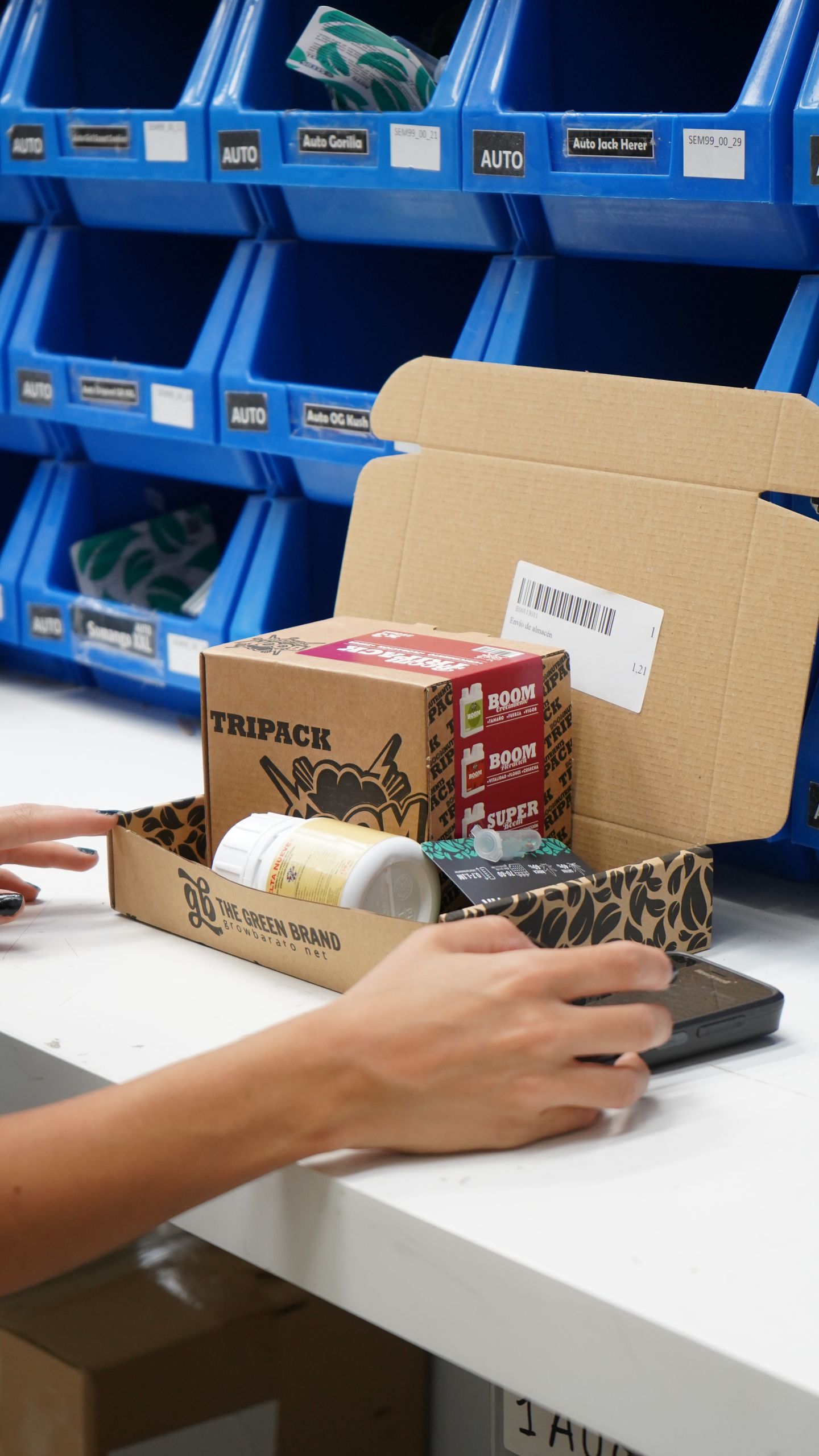
The capital trap of self-warehousing
A self-run warehouse forces you to commit inventory and square footage against a forecast. If the forecast is wrong — and for a new SKU it usually is — you carry dead stock or pay for empty racks. Worse, warehousing is a fixed cost that scales badly: a 10% demand spike needs more space now, not next quarter. For a brand still finding its product-market fit, that rigidity is the difference between surviving and folding.
Fulfillment platforms convert that fixed cost into a variable one. You pay per order and per service, so your cost curve tracks revenue instead of leading it. That is the single biggest reason new DTC brands choose a partner over a lease.
What 'sourcing + fulfillment' actually bundles
A pure 3PL receives your inventory and ships it. A sourcing-and-fulfillment platform also finds the product, which matters if you do not want to manage a supplier in another country. Dropioneer's stack, for example, spans product customization, branded packaging, and product photography and promotional media — the unglamorous services that decide whether a listing converts and whether a parcel looks like a brand when it arrives.
| Service | What it does for you | Ask for |
|---|---|---|
| Sourcing | Finds and qualifies the product | Factory traceability, MOQ, lead time |
| Product customization | Private-label, color, trim | MOQ per variant, proof sample |
| Branded packaging | Unboxes as your brand | Dieline, material, print proof |
| Product photography | Listing-ready assets | Angle set, lifestyle shots, video |
| Fulfillment & shipping | Pick, pack, track | SLA, carriers, tracking quality |
Private label is the real moat
Generic dropshipping trains customers to price-shop the same AliExpress item everyone else sells. Private label — your brand on a customized, custom-packaged product — is what lets you build a repeat customer and a defensible name. The packaging is where this shows up: a parcel that arrives in your branded box with your insert converts once and primes the next order. If a platform offers customization and packaging as integrated services, use them; bolting branding on later is slower and costlier.
Shopify integration is table stakes, not a feature
A Shopify app should sync orders, inventory and tracking without manual export. If you are pasting CSVs between store and warehouse, you have the wrong partner. Confirm the sync covers partial fulfills, cancellations and address changes, because those edge cases are where manual processes break and customers churn.
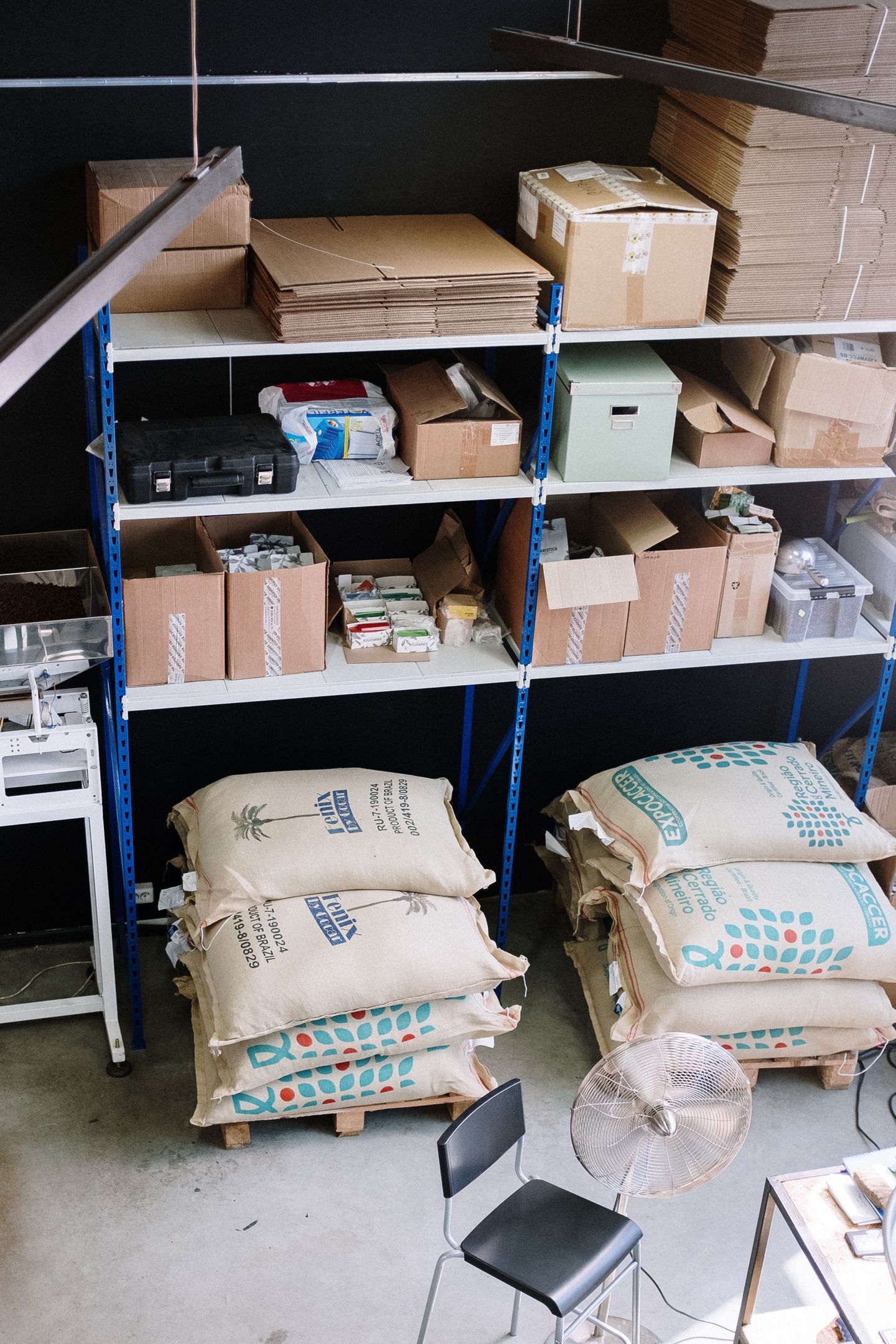
When a platform beats self-warehousing
Choose a platform when: you are pre-product-market-fit, your SKU count is growing faster than you can racking it, you sell across regions, or your team has no warehouse operations DNA. The platform absorbs the ops risk so you can spend on the things that grow the brand — creative, audience, retention.
Choose self-warehousing when: volume is high and stable, margins are thin enough that per-order fees erode profit, or the product needs handling (kitting, refrigeration, serialization) a general platform will not do well. At scale, ownership can win; at startup, flexibility wins.
Questions to ask before you commit
Get answers on: storage fees (per bin vs per pallet), pick-pack fee, outbound shipping rates by zone, returns handling, integration coverage, branding MOQ, and the SLA on order-to-track. Ask what happens to your inventory if you pause — some platforms charge holding, some will not store indefinitely. Read that clause before a slow month becomes a surprise bill.
Also ask who owns the customer data and the branded assets. A partner that fences your own customer list is a partner you will outgrow painfully.
Frequently asked questions
Is dropshipping dead because margins are thin?
Commodity dropshipping is crowded, but branded, customized fulfillment is not. The margin lives in the brand and the packaging, not the arbitrage. Build the brand and the model works.
When should I leave a platform for my own warehouse?
When per-order fees plus storage exceed the loaded cost of owning the ops, and your volume is stable enough to de-risk the lease. Most brands hit this later than they expect.
What breaks a fulfillment partnership?
Tracking that lies, SLAs no one enforces, and a platform that owns your customer data. Vet the SLA and the data clause before the first order, not after the first complaint.
Do I need my own supplier if I use a sourcing platform?
Not necessarily. The platform sources for you; you manage the brand and the demand. Keep a second qualified source as backup once you scale, but you are not running procurement day one.
How much customization is realistic at launch?
Often color, logo, packaging and minor trim at modest MOQ. Deeper changes need engineering and higher MOQ. Confirm branding MOQ before promising customers a fully custom product.
Unit economics: platform fee vs own warehouse
The honest comparison is per-order fully-loaded cost. A platform charges storage + pick-pack + outbound + sometimes a per-SKU or branding fee; your own warehouse adds rent, labor, software, insurance and shrinkage. Below a volume threshold the platform wins almost always because its fixed cost is near zero for you. Above it, ownership can win — but only if your volume is stable enough that the warehouse never sits half-empty. Model both at your real order curve before deciding, and revisit quarterly as you scale.
Returns and reverse-logistics
Returns are where fulfillment partners are made or broken. Ask who inspects the return, what happens to a opened-but-fine unit, and whether you can resell it as open-box. A partner that trashes every return inflates your COGS; one that restocks cleanly protects margin. Confirm the returns SLA and the data you get back, because return reasons are some of the most useful product signals you will ever receive.
Multi-region fulfillment
If you sell across regions, a single warehouse forces long cross-border transit and duty at the border. A platform with nodes near your demand lets you stock regionally, cut delivery time and often land product more cheaply. Ask where the partner can hold inventory and whether you can split a PO across nodes. For a brand with international ambition, regional stock is a growth lever, not just a logistics detail.
The data and brand-ownership clause
Read the contract for who owns the customer list, the order data and the branded creatives. A platform that claims rights to your customer data or resells your imagery is a partner you will outgrow painfully and expensively. Insist on explicit ownership, on data export on demand, and on a clean offboarding where your inventory and assets return to you. This clause is more important than the per-order fee, because it decides whether you have a business or a tenancy.
A scaling playbook: 0 to 1,000 orders a day
At launch, let the platform carry everything so you can learn demand without a lease. At ~100 orders a day, tighten branding and add regional stock if you sell cross-border. At ~500, renegotiate the per-order rate on volume and review whether a hybrid — platform for long-tail, owned node for your top SKU — beats pure platform. At 1,000, model full ownership seriously. The playbook is not 'stay forever' or 'leave early'; it is to shift the model as the order curve crosses each threshold, with the SLA and the data clause as your guardrails.
Branding options from light to full
Private label is a spectrum, not a switch. Lightest: your logo on the mailer and a thank-you insert — low MOQ, fast. Mid: custom retail box and label — needs dieline and print proof, modest MOQ. Full: product-color or trim customization plus branded box and insert — highest MOQ and lead time but the strongest repeat signal. Start light to learn demand, then deepen branding on your proven SKUs. The mistake is going full-custom on an unproven product and aging out the inventory before you sell it.
Choosing your first three SKUs
For a new brand, three SKUs beat thirty. Pick one hero (broad appeal, good margin), one complement (raises basket size), and one hook (social, giftable, or review-generating). Keep the mix small so the platform can hold all three regionally and you can learn fast. Expand only after the hero proves repeat purchase. A tight launch also makes your listing, photography and packaging coherent — which is what converts a first order into a brand a customer remembers.
Red flags when evaluating a fulfillment partner
Walk away from a partner that will not show the SLA in writing, owns your customer data by default, hides storage fees in the fine print, or cannot demonstrate a tracked, measured returns flow. Also wary: a 'Shopify integration' that is really a manual CSV you run yourself, and a branded-packaging MOQ so high it strands your cash on an unproven SKU. The right partner is transparent about the boring parts — fees, SLAs, data, returns — because those are exactly where weak partners fail you after the first surge.
Cash-flow impact: prepaid stock versus fulfilled-on-demand
The quiet advantage of a fulfillment platform is cash-flow, not just ops. With self-warehousing you prepay inventory and rent before the first sale; with a platform you largely pay as orders land, so cash turns with revenue. For a brand with thin working capital, that difference decides survival through the learning phase. The trade-off is per-order fees that nibble margin, so model the crossover: at what monthly volume does owning a node beat paying per order? Until you cross it, the platform's variable cost is the financially rational choice, and it keeps your cash free for the creative and audience work that actually grows the brand.
Exit and portability
Plan the exit before you sign. Contract for inventory return on demand, for data export in a standard format, and for ownership of the tooling and brand assets so nothing is held hostage. A partner who agrees to clean portability in writing is one you can trust with your customer experience; one who hedges is one to avoid. Portability is not pessimism — it is the leverage that keeps the relationship healthy, because neither side is locked in by default.
Conclusion
Dropshipping did not stop working; generic dropshipping did. The version that compounds is branded, customized and fulfilled by a partner that converts your fixed warehouse cost into a variable per-order cost while you find fit. For a platform that bundles sourcing, private-label customization, branded packaging, photography and a Shopify-native flow, start at Dropioneer and judge it by the SLA and the data clause, not the homepage.
Standards and references. third-party logistics; the MIT Center for Transportation and Logistics; ASTM International


评论
发表评论