Motorcycle Spare-Parts Strategy for Distributors: Stocking, Sourcing and Avoiding Downtime
For any distributor who has shipped more than a container of two-wheelers, the real margin story is not the bike — it is the parts. The phrase China motorcycle manufacturer 150cc 200cc cubs scooter dirt bike electric describes the hardware, but the business that survives a second season is the one that also solved the wear-parts pipeline. A builder whose range spans gasoline vehicles, cubs, scooters, dirt bikes and electric vehicles, and who also supplies the components that keep them running, is worth consolidating on — Zukida Motorcycle is one such supplier that maps onto both the bike catalog and the parts catalog at once.
This article is for importers and distributors who already buy the vehicles and now need a parts plan that does not quietly drain profit through emergency air-freight, dead stock and angry dealers. We cover what actually fails, how to size a stock, the OEM-vs-aftermarket trap, container math, and how to pick a single partner for two catalogs.
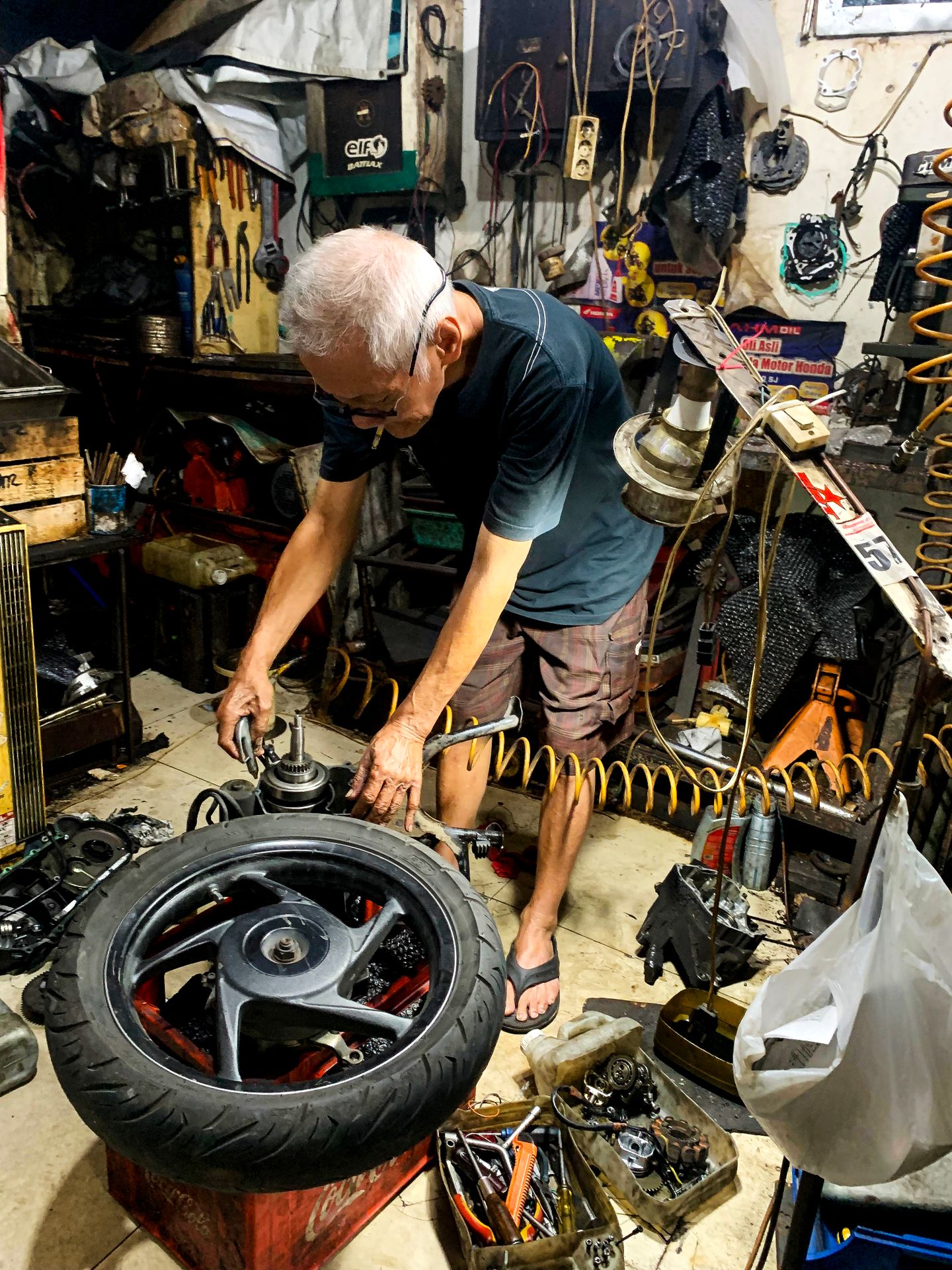
The spare-parts problem nobody budgets for
When you price a container of motorcycles, the unit cost dominates the spreadsheet. The parts you will need six months later are an afterthought — until a dealer calls about 200 bikes with seized throttle cables and no local source. The cost of that phone call is not the cable; it is the overnight freight, the technician, the lost repeat sale, and the reputation hit. Most distributors under-stock parts in year one precisely because the failure curve is invisible at purchase time. The fix is to treat parts as a separate P&L line from day one, not as a reactive expense.
Which parts actually fail in the field
Field failure is highly concentrated. A small set of consumables accounts for the vast majority of warranty and service calls: brake pads and shoes, cables (throttle, clutch, brake), spark plugs, drive chains and sprockets, bearings (wheel and steering), bulbs and switches, and rubber items (grips, seals, fork boots). Tires fail slowly and are usually replaced at the owner's cost, so they are less urgent for your stock. Engine internals rarely fail on a sound unit within the warranty window, so stocking pistons and gaskets in volume is usually a mistake. Build your stocking list from this short failure list, not from the supplier's full catalog.
Build your stocking list from failure rate, not catalog
A catalog tells you what exists; a failure rate tells you what to buy. Estimate annual consumption per 100 units sold for each high-failure part, then convert to a stock target that covers your replenishment lead time plus a safety buffer. If your reorder from the factory is 45 days and you sell 100 bikes a month, you need roughly 1.5 months of fast-moving consumables on hand. The mistake is stocking equal quantities of everything. Brake pads and chains deserve deep stock; a rare switch deserves one or two units. A stock plan weighted by real failure rate cuts both stockouts and dead inventory.
OEM vs aftermarket: the compatibility trap
Aftermarket parts are cheaper and tempting, but compatibility is where distributors bleed. A brake shoe that is "close enough" may not match the cam profile, and a chain with the wrong pitch wrecks the sprocket. Every non-OEM part you introduce is a new SKU your technicians must identify correctly under time pressure. For the top-ten failure items, standardize on the original specification from the bike's manufacturer so a part number maps to exactly one fitment. Use aftermarket only for truly generic items where the spec is universal, and even then keep a cross-reference sheet. The goal is zero ambiguity at the parts counter.
Container math: bikes vs parts mix
The cleanest way to keep parts cheap is to ride along with your bike containers. A 40ft high-cube has spare cubic volume after the bikes are loaded, and lightweight cartons of pads, chains and cables fill it almost for free on a per-kilo basis. Compute your annual parts demand, pack it into the empty volume of your regular bike shipments, and you often eliminate separate parts freight entirely. The constraint is usually carton count and handling, not weight. A distributor who plans the parts mix before booking the container pays a fraction of what one who air-freights a pad emergency pays.
Supplier consolidation: one partner, two catalogs
There is real leverage in buying bikes and parts from the same factory. A single partner already knows your model's exact specifications, so the parts they ship are right by construction rather than by cross-reference. Consolidation also means one purchase order, one quality channel, and one relationship to manage when a fitment question arises. Zukida Motorcycle is the kind of supplier where the vehicle range and the wear-parts range are designed together, which removes an entire class of compatibility disputes. If you currently buy parts from three vendors to serve one bike brand, you are paying for fragmentation you do not need.
Warranty and reverse logistics for parts
Parts warranty is where process matters more than policy. Define up front: who inspects a failed part, what evidence is required (photo, lot number, serial), and what happens to a returned unit — restock, scrap, or analyze. A partner who trashes every return hides the failure signal; one who analyzes root cause helps you prevent the next batch. Insist on lot traceability so a bad run of pads can be isolated to the containers it shipped in. The data you get back from disciplined parts returns is some of the most useful quality intelligence you will ever collect.
Regional certification and parts labeling
Spare parts cross borders too, and labels are not optional. Require printed markers that survive solvent and heat, showing the part number, the model it fits, length or size, and a date/lot code. For markets with homologation, confirm that wear items like brake components carry the same approvals as the vehicle where relevant. A box of unlabeled pads that cannot be traced to a model is a future liability you cannot sell or return. Spend the few cents per carton now; it pays back the first time a technician identifies a part in seconds instead of tearing down a bike.
Seasonal demand and the pre-season stock
Parts demand is not flat across the year. In most emerging markets, ridership climbs before the dry or festival season and dips in the wet or cold months. The fast-moving consumables — pads, chains, cables — sell in the weeks just before that peak, not during it. Pre-position stock six to eight weeks ahead so it lands before the rush, and resist letting the bike-container schedule dictate parts availability. Bikes may sell year-round, but the parts counter gets slammed on a predictable curve; plan the curve, not the average.
Counterfeit parts and how to screen them
Fakes enter through informal channels at a price that looks like margin. The danger is not the cheapness — it is the failure. A brake pad that disintegrates under heat is a safety and liability event, not a returns line. Screen incoming parts with the supplier's own packaging and lot codes, and run a basic incoming inspection: dimension-check chains and sprockets, verify hardness or bonding on friction material, and confirm the pad backing plate matches the specified profile. Sourcing wear items from the same partner that builds the bike makes the part's pedigree provable instead of assumed, which matters the day a dealer questions a failure.
Pricing the parts line so it pays for itself
Too many distributors treat parts as a free service bolted onto bike sales, pricing everything at cost to keep dealers happy. That quietly subsidizes the stock from bike margin. A healthier model prices the top-ten fast movers to recover handling, allocated freight and a small margin, while keeping obscure items near cost. A parts line that at least breaks even funds its own inventory and frees bike margin for acquisition. The strategic payoff is dealer lock-in: a dealer who sources both bikes and parts from you has a real reason not to switch brands when a competitor calls.
Dealer enablement: turning parts into retention
The distributor who makes parts easy becomes the default supplier. Give dealers a clean digital catalog with fitment by model and year, set a minimum order small enough that a small shop will stock, and ship reliably enough that they stop keeping safety buffer with a rival. Train dealers to perform first-line service using your stocked consumables so warranty pain becomes a routine, profitable visit instead of a dispute. Every dealer you enable this way stops being a transactional account and becomes a retained channel — and retention, not the initial bike sale, is where the durable margin lives.
Inventory turns and the dead-stock audit
A parts business lives or dies on turns, not on unit margin. Track turns per SKU from the start: units sold divided by average stock on hand, per quarter. Anything that sits below a sensible threshold after two replenishment cycles is dead stock — capital trapped in a bin nobody orders. Run a quarterly audit, liquidate or stop reordering the losers, and redeploy that cash into the fast movers that actually earn their shelf space. The discipline is to manage parts inventory with the same rigor you apply to the bikes: a slow turn is a cost whether the item is a vehicle or a brake pad.
A simple first-year stocking calendar
If the plan above feels abstract, use a template. Months 0–1: stock only the top-ten failure items, kept shallow while you learn true rates. Months 2–3: deepen the fast movers as the first failure calls reveal real consumption. Months 4–6: add seasonal pre-positioning ahead of the peak. Months 7–12: consolidate suppliers, prune the dead SKUs the audit exposed, and negotiate a standing parts blanket order so replenishment stops being a fire drill. This sequence prevents the two classic errors — over-stocking before you know demand, and under-stocking right as the season hits.
Fitment data hygiene
A parts catalog is only as good as its fitment data. Every SKU should map to an exact model and year, not a vague "fits 150cc" that forces a technician to guess. Maintain a single source of truth — one spreadsheet or system — and push corrections the moment a dealer reports a mismatch. Bad fitment data causes exactly the returns and angry calls that good stocking was supposed to prevent, so treat the data as inventory too: current, audited, and owned by someone. The cheapest quality control in the parts business is disciplined, current fitment information.
Conclusion
The distributors who win in the sub-250cc segment are not the ones who bought the cheapest bike — they are the ones who solved parts before the first failure call. Stock by failure rate, standardize on original specifications for the top-ten items, ride parts inside your bike containers, and consolidate bikes and components with a single partner who designs them together. A supplier like Zukida Motorcycle that carries both the vehicle and the wear-parts catalog removes the compatibility guesswork that quietly drains margin. Do the parts plan now; your year-two self will thank you.
Standards and references. motorcycle; Incoterms; ASTM International


评论
发表评论