Plastic Injection Molding Tolerances & OEM/ODM: What Your Quote Must Specify
If you are moving a plastic part from prototype to volume, the line that protects your margin is plastic injection molding OEM ODM Vietnam manufacturer tolerances. Tolerances decide whether parts assemble without rework, whether your supplier can actually hold the dimension, and whether your quote is comparable to the next factory's. A builder that states its capability plainly — like DAYIN, a Vietnam-based plastic injection molding and OEM/ODM manufacturer — is easier to buy from than one that buries the numbers.
This guide explains what a molding tolerance really covers, which specs belong in the PO, why Vietnam is a credible alternative to the usual clusters, and how to read a quote so two suppliers are actually comparable.
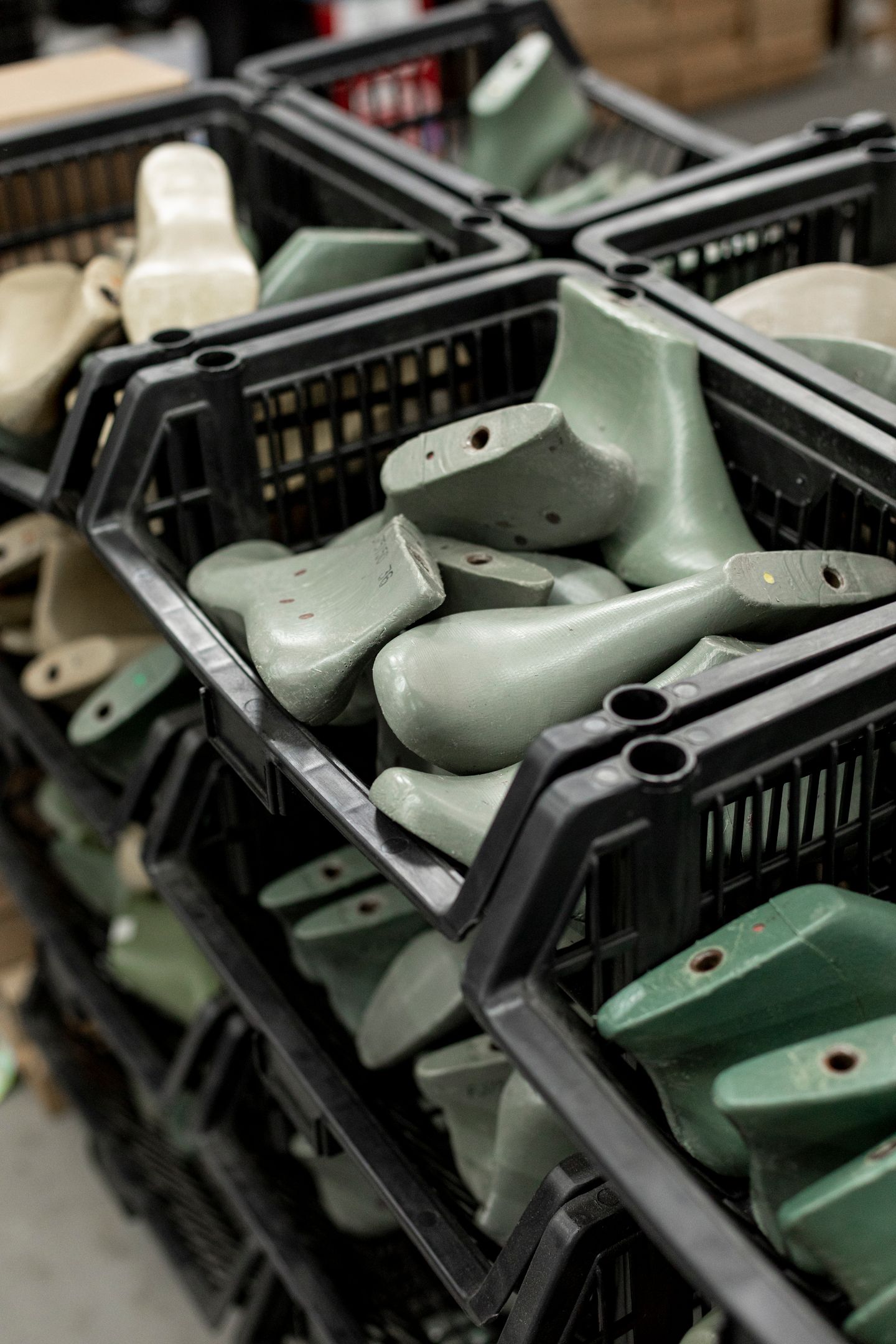
What 'tolerance' actually covers
A tolerance is the allowed deviation from the nominal dimension. In injection molding it is not one number but several: the mold-making tolerance (how close the steel is cut), the process tolerance (how the machine holds it run to run), and the part tolerance (what you receive). A factory can have a great mold and a drifting process, or a perfect process on a worn mold. You are buying the part tolerance, so that is the one to pin down in writing.
Typical commercial molding tolerance is around ±0.1 mm on small features, widening with size and with shrinkage. Shrinkage is the quiet variable: every resin shrinks as it cools, and the rate differs by material. If the quote does not name the resin, the tolerance is meaningless, because the same tool in two resins yields two different parts.
The spec table every molding PO should carry
| Spec | Why it matters | What to write |
|---|---|---|
| Resin & grade | Sets shrinkage, strength, finish | Exact trade name + lot traceability |
| Part tolerance | Assembly fit | ± value per critical dimension |
| Shrinkage rate | Tool sizing | Per resin, confirmed by mold-fill sim |
| Gate & ejector location | Cosmetic & warp | Specify or approve at first article |
| Surface finish | Appearance, friction | SPI grade or sample swatch |
| Color & match | Brand consistency | Masterbatch + delta-E target |
For a manufacturer that already runs finished goods like cleaning appliances and lifestyle products, the category pages show the spread of what is possible: robot vacuum cleaner and automatic feeder are examples of molded, assembled, branded products rather than bare parts.
Why Vietnam is a serious molding base
Vietnam's molders benefit from a deep feeder ecosystem, tariff positioning for many export destinations, and a workforce curve that is still cost-effective versus the most mature clusters. For brands selling into markets with preferential access from Vietnam, the duty math alone can outweigh a slightly lower unit price elsewhere. The trade-off is that you must qualify the factory: not every shop runs tight tolerances or clean rooms.
DAYIN positions itself as an OEM/ODM partner, which matters because ODM means they can take a concept to product — tooling, molding, assembly, packaging — not just run your existing tool. For a first product, that integration removes a layer of coordination between toolmaker, molder and assembler.
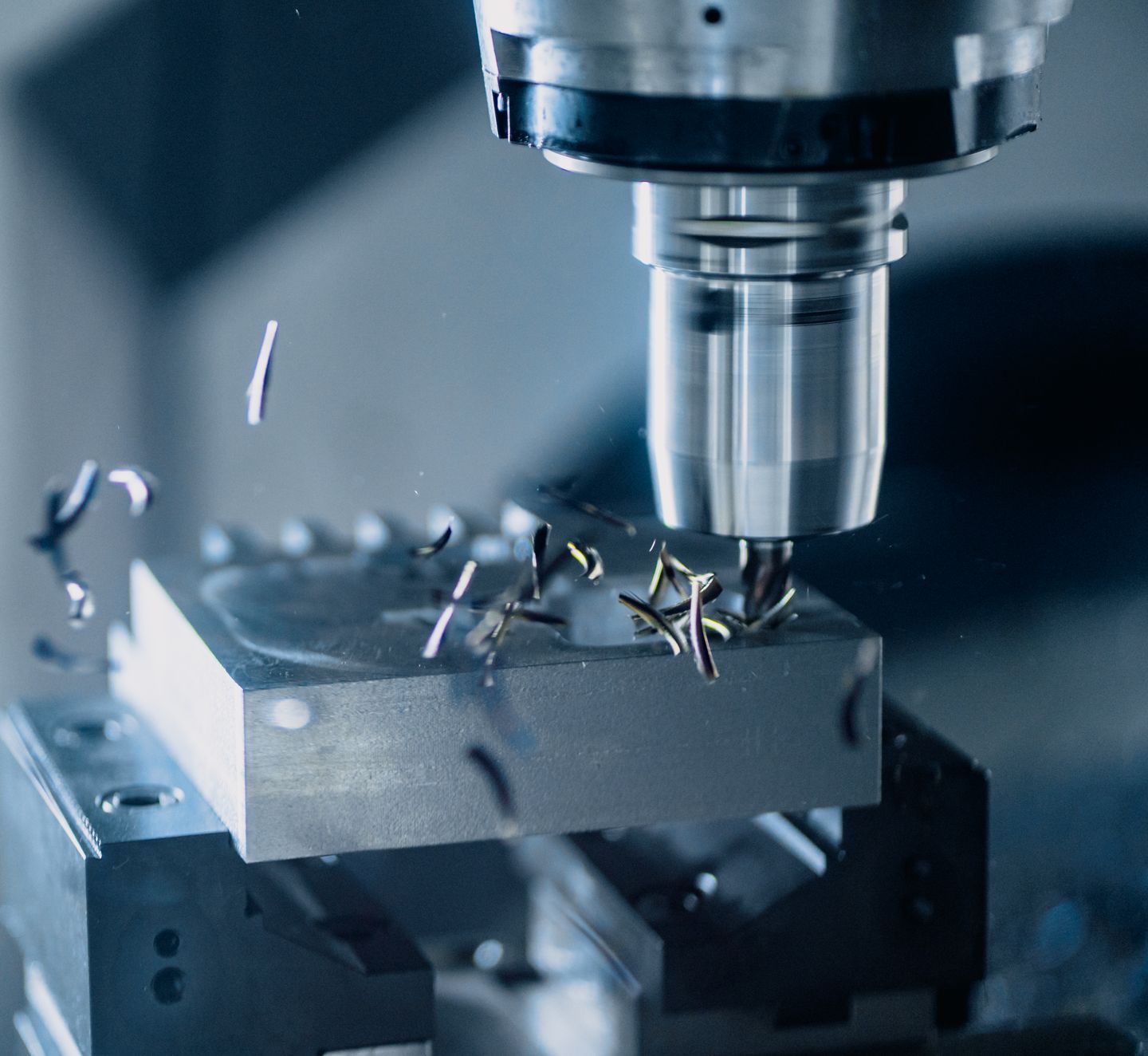
OEM vs ODM: know which you are buying
OEM is build-to-print: you supply the design and tool, they mold and maybe assemble. ODM is build-to-spec: you supply the requirement, they design, tool and produce. ODM is faster to market but ties you to the partner's design IP and sometimes to their tool. Decide deliberately — ODM's speed is real, but so is its lock-in. Put tool ownership and source-file rights in the contract either way.
How to read a molding quote so two factories compare
A molding quote has three cost blocks: tooling (one-time), piece price (volume-dependent), and secondary operations (painting, printing, ultrasonic weld, insert molding). Compare on all three, not just piece price. A cheap tool that warps at 50k shots costs more than a pricier tool that lasts 500k. Ask for the warranted shot count and the maintenance interval.
Also confirm what the price includes: FOB, or landed? Who pays for the mold-fill simulation? Who owns the steel? A quote that looks 8% cheaper but excludes the tool and the simulation is not cheaper.
First-article inspection is non-negotiable
Before any volume run, require a first-article sample with a full dimensional report against your drawing. Measure the critical features yourself or via a third-party. The gap between the sample and the drawing is your risk, quantified. If the factory resists a measured report, that is the answer.
For cosmetic parts, add a color-match approval (delta-E) and a swatch sign-off. 'Close enough' in molding becomes a returns problem at scale.
Frequently asked questions
What tolerance can I realistically hold?
For most commercial parts, ±0.1 mm on small features is achievable with a stable process; tighter needs validated tooling and Cpk data. Size and resin shift the number, so specify per dimension, not globally.
Does the resin choice change the part?
Decisively. Shrinkage, strength, surface and cost all move with resin. Never approve a quote that leaves the resin open — you are approving an unknown part.
OEM or ODM for a first product?
ODM gets you to market faster if you accept the partner's design and some lock-in. OEM keeps you independent but needs your own design and tool. Choose by speed-vs-control, not by price alone.
Why does Vietnam win on duty but not always on price?
Unit molding cost in mature clusters can be lower, but preferential tariff access from Vietnam often makes the landed cost lower for qualifying destinations. Run the duty math per market.
How do I avoid tool lock-in?
Contractually own the tool steel and the source CAD, specify that the tool ships to you on demand, and keep a second qualified shop as backup before you scale.
Mold maintenance and the lifespan math
A tool is not a one-time cost you forget. Steel wears, gates erode, and cooling channels foul. Ask for the warranted shot count and the recommended maintenance interval, then put the maintenance in the cost model: a tool rated for 500k shots with a clean PM schedule beats a cheaper tool that needs rework at 80k. For high-volume parts, the maintenance stop is planned; for low-volume, the tool may outlast the program. Either way, own the steel so the schedule is yours.
Insert molding and overmolding
Two techniques extend what molding can do. Insert molding places a metal or plastic insert in the tool and molds around it — think threaded bushings or contacts that would be impossible to assemble later. Overmolding lays a second material over the first — a soft grip on a hard shell, or a seal integrated into the part. Both add tooling complexity and cycle time, but they remove assembly steps and improve reliability. Specify them only where the integration earns its cost.
Color and cosmetic approval workflow
Cosmetic rejects are the silent killer of molding margin. Lock color with a masterbatch and a delta-E target, approve a swatch, and re-approve at every resin-lot change because batch variation is real. For textured surfaces, approve an SPI-grade sample and keep it; 'looks fine' is not a spec. A ten-minute swatch sign-off prevents a container of off-shade parts you cannot sell.
Tooling cost amortization across volume
The tooling fee is a fixed cost that shrinks per unit as volume rises. If the tool costs USD 8,000 and you make 10,000 parts, that is USD 0.80 per part; at 80,000 parts it is USD 0.10. This is why low-volume pricing looks high and why a supplier may want a higher MOQ — they are recovering tooling. Negotiate the tooling as a separate, refundable-or-owned line item, and model the per-part burden at your real volume before comparing two quotes. The cheap piece price with a hidden tool can be the expensive option.
Pilot run versus production run
Do not jump from sample to full container. Run a pilot batch — a few hundred to a few thousand — through your real channel and your real returns. The pilot surfaces tooling drift, assembly friction and cosmetic issues at a cost you can absorb. Only release the full volume after the pilot's dimensional report, cosmetIC approval and a small live-sale test all pass. A pilot is the cheapest insurance in molding.
Resin selection guide (common families)
The resin sets cost, strength, finish and compliance. PP is cheap, chemical-resistant and great for hinges but hard to paint. ABS paints well and is rigid but brittle in cold. PC is tough and clear but pricey. Nylon absorbs water and needs drying but is strong and wear-resistant. TPE/TPU overmolds for soft grip. For food- or skin-contact parts, specify the compliance grade (FDA, EU 10/2011) explicitly — 'food-safe resin' is not a spec. Pick the family by the job, then name the exact grade so shrinkage and finish are known.
Tolerances you can actually hold (worked example)
Suppose a clip needs a 2.0 mm wall and a 0.1 mm snap fit. With a stable process and a validated tool, ±0.05 mm on that feature is realistic; ±0.02 mm needs a monitored cell and Cpk data and costs more. Size scales the number: a 200 mm part drifts more than a 20 mm one, so specify tighter only where function demands. In the quote, ask which features are critical (and will be measured) versus cosmetic (wider band). Tolerancing everything tight is the fastest way to pay for capability you do not need while the real critical feature goes unmeasured.
When to insource versus keep outsourcing
Molding is rarely worth insourcing early. A factory already amortizing its presses and tools will beat your greenfield cell on cost and yield for years. Keep outsourcing while volume is uncertain or seasonal, and revisit ownership only when a single SKU's steady volume justifies a dedicated press and a quality team you staff yourself. Outsourcing is not a weakness to outgrow quickly; for most brands it is the permanently cheaper structure, and the leverage you keep is tool ownership and a second qualified source.
Sampling cost you should budget up front
Budget the sample and the pilot as line items, not afterthoughts. A 3D-printed or CNC prototype checks form and fit before any steel is cut; a soft-tool or single-cavity pilot checks molding and assembly before the hard tool is committed. Together they typically cost a fraction of the hard tool and prevent a tool built to the wrong assumption. Buyers who skip sampling to save a few hundred dollars routinely spend thousands fixing a tool that was wrong from the first article. Treat sampling as the cheapest insurance in the whole program, and put it in the PO before you approve the tooling charge.
Conclusion
Injection molding is won in the specification, not the negotiation. Name the resin, pin the per-dimension tolerance, own the tool, and approve a measured first article before volume. For a Vietnam OEM/ODM partner that already takes products from molded part to finished goods, start from DAYIN and build the PO around the table above.
Standards and references. ASTM International; injection moulding; ASME Y14.5


评论
发表评论