Sourcing Motorcycles & Spare Parts from China: How to Vet a Manufacturer (Cubs, Scooters, Dirt Bikes, Electric)
If your 2026 procurement plan includes lightweight two-wheelers, the phrase that keeps coming up is China motorcycle manufacturer 150cc 200cc cubs scooter dirt bike electric. The sub-250cc segment is where Chinese factories are strongest: the tooling is mature, the component ecosystem is dense, and the price-to-reliability ratio beats almost every other region for fleets, rental operators and emerging-market distributors. One catalog that maps cleanly onto this need is Zukida Motorcycle — a builder whose range spans gasoline vehicles, cubs, scooters, dirt bikes and electric vehicles.
This guide is written for buyers who need to make a real sourcing decision, not for people browsing. We cover the product map, the specification bands that actually matter, the spare-parts question, certification reality, and how to audit a factory without boarding a plane.
Why the sub-250cc platform is still the right place to start
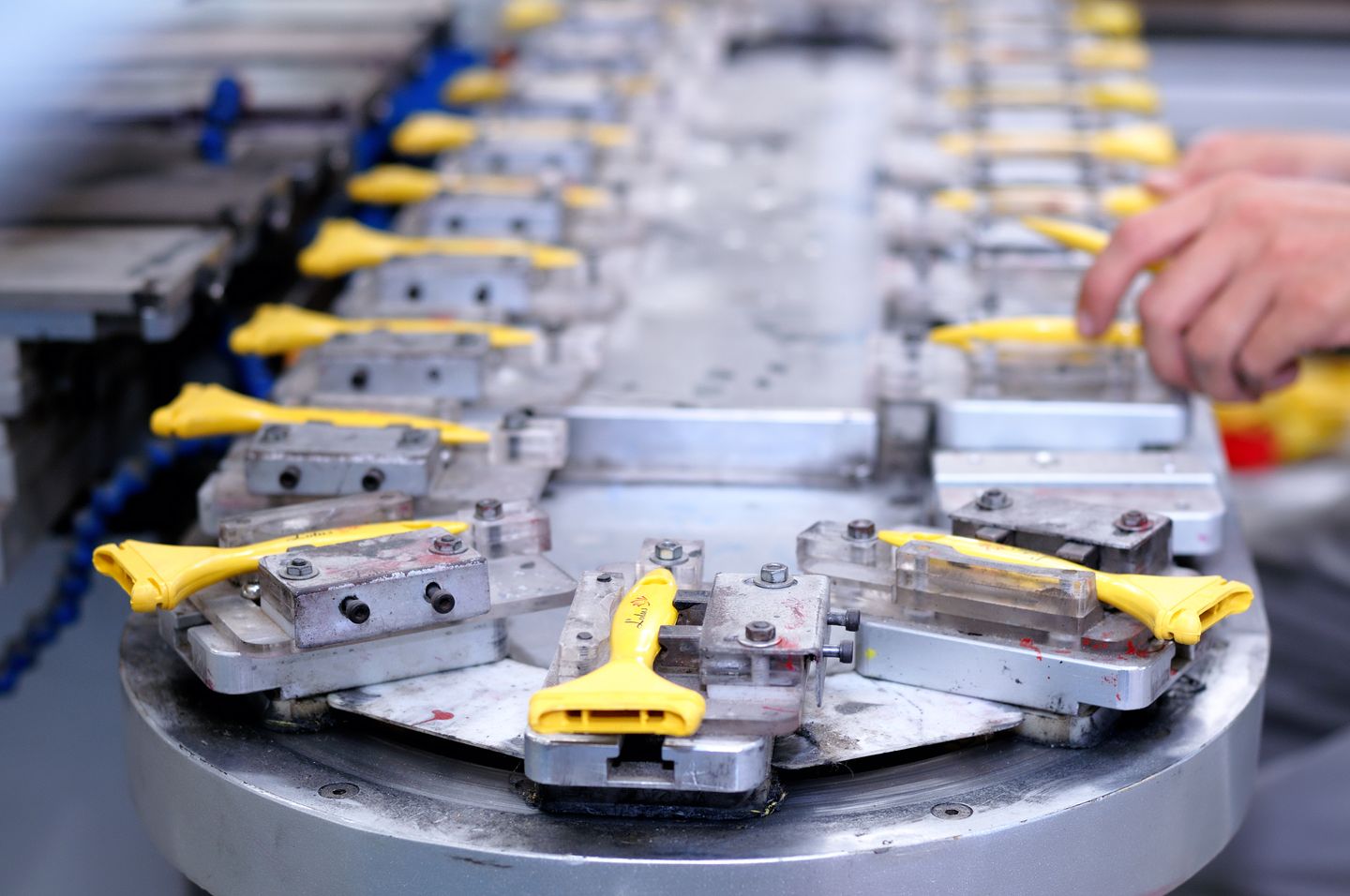
Below 250cc you are not paying for exotic materials or race-grade tolerances. You are paying for integration: a stable supply of engines, carburetors or EFI units, wiring harnesses, brake assemblies and tires that all fit without custom fabrication. Chinese clusters around the lightweight motorcycle supply chain have spent two decades compressing lead times on exactly these parts. That is why a 150cc–200cc sports-type racing motorcycle or a 110cc cub can be sourced with predictable BOMs and short replenishment cycles.
For distributors in Southeast Asia, Africa and Latin America, the sub-250cc class is also where import duty and homologation are least painful. Many markets tax displacement brackets, and staying under 250cc (often under 150cc for cubs) keeps landed cost competitive. The trade-off is top speed and highway suitability — which is exactly why this class dominates urban, peri-urban and last-mile use rather than long-haul touring.
The product map: what a typical China catalog covers
When you open a manufacturer's site, the category tree tells you more than the homepage hero image. Zukida's tree, for example, breaks into gasoline-vehicles, motorcycle, cubs, scooter, dirt-bike and electric-vehicles. That is a healthy spread: it means the factory is not a single-product shop that will struggle to fill a mixed container. A mixed container is what most distributors actually want — cubs for utility, scooters for city, a few dirt bikes for recreation, and electric units for low-noise zones.
| Category | Typical displacement | Best fit | What to verify |
|---|---|---|---|
| Cubs (step-through) | 100–125cc | Delivery, rural utility, fuel economy | Semi-auto clutch durability, carrier mount points |
| Scooter | 110–150cc | City commuting, last-mile | CVT belt life, under-seat storage, lighting |
| Street / sports 150–200cc | 150–200cc | Youth, recreational, light touring | Frame weld quality, brake bias, tire size |
| Dirt bike | 110–250cc | Off-road, rental, training | Suspension travel, skid plate, chain guard |
| Electric | 48–72V hub/ mid | Campus, gated communities, low-noise | Battery kWh, charge cycles, controller rating |
For the current live category list and exact model availability, the manufacturer's own navigation is the source of truth: Zukida motorcycle category and the electric-vehicles category.
Displacement bands and what they are actually for
Displacement is not a vanity number. It sets torque curve, fuel use, license class and duty. A 110cc cub moves one rider and light cargo at 50–65 km/h comfortably and sips fuel. A 150cc scooter adds acceleration headroom for two-up city riding. A 150–200cc sports-type unit is for riders who want presence and short highway bursts but do not need a 400cc touring bike's weight or cost. Dirt bikes at 110–250cc cover training through intermediate trail use.
When you specify, do not pick the biggest number. Pick the band your end market can license, insure and service. A 200cc bike that requires a full motorcycle license in a market where most buyers only hold a moped permit will sit in your warehouse.
Frame, braking and suspension specs that decide longevity
Three subsystems fail first in real fleets: brakes, suspension and the harness. Ask for the brake type (drum vs disc, front/rear bias), the suspension travel and the corrosion treatment on the frame. For coastal or high-humidity markets, specify a powder-coat or e-coat standard and confirm it in the audit. A 150–200cc sports-type racing motorcycle model should arrive with a documented torque spec sheet for critical fasteners — if the factory cannot produce one, that is a signal about their QA discipline, not just paperwork.
Lighting matters more than buyers expect. Many emerging markets still run unlit rural roads; a scooter with a weak headlamp is a return magnet. Confirm LED vs halogen, beam pattern and whether the brake light is wired to both levers.
Electric vs gasoline for last-mile fleets
Electric units win on noise, emissions zones and per-km energy cost, but they lose on refill time and range anxiety. For campus shuttles, gated communities and indoor logistics, electric is usually correct. For delivery fleets that run all day with no charging window, gasoline cubs remain king. The honest answer is almost always a mix, which is why a catalog that carries both matters.
If you go electric, the battery is the product. Verify kWh, nominal voltage (48V/60V/72V), cell chemistry (Li-ion vs lead-acid), rated charge cycles and whether the pack is field-replaceable. A pack you cannot swap in the field turns a flat battery into a dead vehicle.
Spare-parts interoperability and the BOM question
The single biggest cost in a motorcycle distributorship is not the unit price — it is the spare-parts inventory youcarry to keep units running. Before signing, request the shared-BOM map: which gaskets, bearings, cables and bulbs are common across the cub, scooter and street models. The more overlap, the fewer SKUs you stock. A factory that designs for parts commonality is designing for your margin.
Also confirm the wear-part list with part numbers: brake pads, chain and sprockets, clutch plates, bulbs, throttle cable, fuel filter. If the factory publishes a parts diagram per model, that is a strong positive signal.
Certification, documentation and import reality
Do not assume 'CE' or 'DOT' stickers mean anything without the underlying document. For the EU, what matters for mopeds and light bikes is often EEC type-approval and a COC (Certificate of Conformance); for the US, DOT and EPA where applicable; for many other markets, local SONCAP, SABS or equivalent. Ask for the actual certificate file, not a photo of a sticker.
Build the document package into the PO: commercial invoice, packing list, bill of lading, certificate of origin, test reports and the homologation packet. Missing paperwork is the most common reason a container sits at port.
How to audit a factory without flying
You do not need a plane ticket to de-risk a supplier. Run a live video walk-through covering: the welding/assembly line, the test bay (brake, noise, emissions if applicable), the warehouse with your model visibly staged, and the QA station. Ask to see the torque sheet, the QC checklist and three recent inspection reports. Request references from distributors in a market similar to yours and actually call one.
Then order a single-unit sample (not a container) and have a local mechanic you trust strip and measure it. The gap between the showroom video and the teardown tells you everything.
Frequently asked questions
Is 150cc enough for two-up city riding?
For flat-city commuting with a passenger, yes for most 150cc scooters. For hilly cities or highway merging, step up to 200cc or consider the street class. Match the band to the terrain, not the brochure.
How many units make a mixed container worthwhile?
A standard 20ft or 40ft container mixed across cubs, scooters and street units typically becomes economical above roughly 30–60 units depending on crate size. Ask the factory for the carton dimensions per model and compute your own load plan before negotiating.
Do electric and gasoline share parts?
Almost never at the powertrain level, but brakes, lights, fasteners and some frame hardware often overlap. Request the cross-model BOM to see the real overlap.
What paperwork stops a container at port?
Missing certificate of origin, no homologation packet for the destination market, or a commercial invoice that disagrees with the packing list. Build the document checklist into the contract.
Can I private-label a China motorcycle?
Often yes for decals, color and minor trim; deeper changes (engine tuning, frame) need MOQ and engineering lead time. Confirm branding rules and MOQ before promising a custom badge to your customers.
Regional homologation cheat-sheet
Because displacement drives license class, build your market entry around the local bracket. EU mopeds (L1e/L2e) cap at low power and need EEC type-approval; many Asian and African markets accept 110–150cc cubs with simpler local certification; some Latin American markets tax by displacement so staying under a threshold changes retail price. Write the target markets into the PO and ask the factory which models already carry the paperwork for each. A model certified for Market A is not automatically legal in Market B even if the bike looks identical.
Total-cost-of-ownership worked example
Buyers fixate on unit price and miss the real number. TCO = unit + ocean freight + duty + compliance + spare-parts stock + warranty returns. A bike that is USD 30 cheaper but needs a unique brake pad you must stock separately can cost more over a year than the pricier, parts-common unit. Run the TCO per model before committing container space, and weight your container mix toward the models with the deepest shared-BOM.
Container load planning basics
Before you negotiate, compute your own load. Get the carton dimensions and weight per model from the factory, then pack a 40ft high-cube in a spreadsheet by cubic volume and max payload. The binding constraint is usually volume, not weight, for lightweight bikes. A clean load plan also tells you how many of each model make a balanced, stable container — which reduces transit damage and makes the supplier take your order seriously.
Warranty structure that protects both sides
A vague 'one-year warranty' is a dispute waiting to happen. Define it: what is covered (frame, engine, electrical, wear parts excluded), the claim process, who pays return freight, and the proof required (VIN, photos, teardown report). For fleets, negotiate a wear-parts kit included in the unit price for the first service interval — it keeps bikes on the road and complaints off your desk. Put the warranty wording in the contract, not the brochure.
Pre-shipment inspection checklist
Before the container seals, run a sampled PSI: start every Nth unit, check brake feel, lights, torque on wheels and handlebars, and confirm the VIN plate matches the paperwork. Photograph the stack and the seal. A one-hour inspection at the factory prevents a container of faults arriving as your problem. If the factory resists a sampled start-test, that resistance is the finding.
Conclusion
Sourcing lightweight two-wheelers from China is a mature, low-risk play if you treat it like engineering procurement instead of bargain hunting. Map the catalog to your market's license and duty bands, insist on a shared-BOM parts story, lock the document package into the PO, and audit by teardown rather than video alone. For a catalog that already spans cubs, scooters, street, dirt and electric in one tree, start from Zukida Motorcycle and work outward by displacement band.
Standards and references. motorcycle; ASTM International; ASME Y14.5


评论
发表评论