The Customs Document Set That Clears First Time
Start with the four core documents
Commercial invoice, packing list, transport document and certificate of origin form the core set. Almost every clearance problem traces back to one of these four being incomplete, inconsistent or late. A customs documentation checklist is only useful if it is applied to every shipment, not just the tricky ones. The boring truth is that customs is a paperwork discipline, and the teams that clear first time are the ones that made the paperwork a process, not a hero effort. The four documents are not four separate chores - they are four views of the same shipment, and when they disagree, the border notices first.
The commercial invoice in detail
The invoice is the document customs weights most heavily, because it states what the goods are, who bought them, and what they cost. It must name the correct consignee and importer of record, the Incoterm, the currency, and a value that reconciles with the actual payment. Describe the goods the way the HS code describes them - "steel bracket, machined" not "parts" - because a vague description forces the examiner to guess, and guessing rarely goes your way. Every line should map to a line on the packing list and to a classification on the declaration. The invoice is where most holds begin, so it is where most discipline should end.
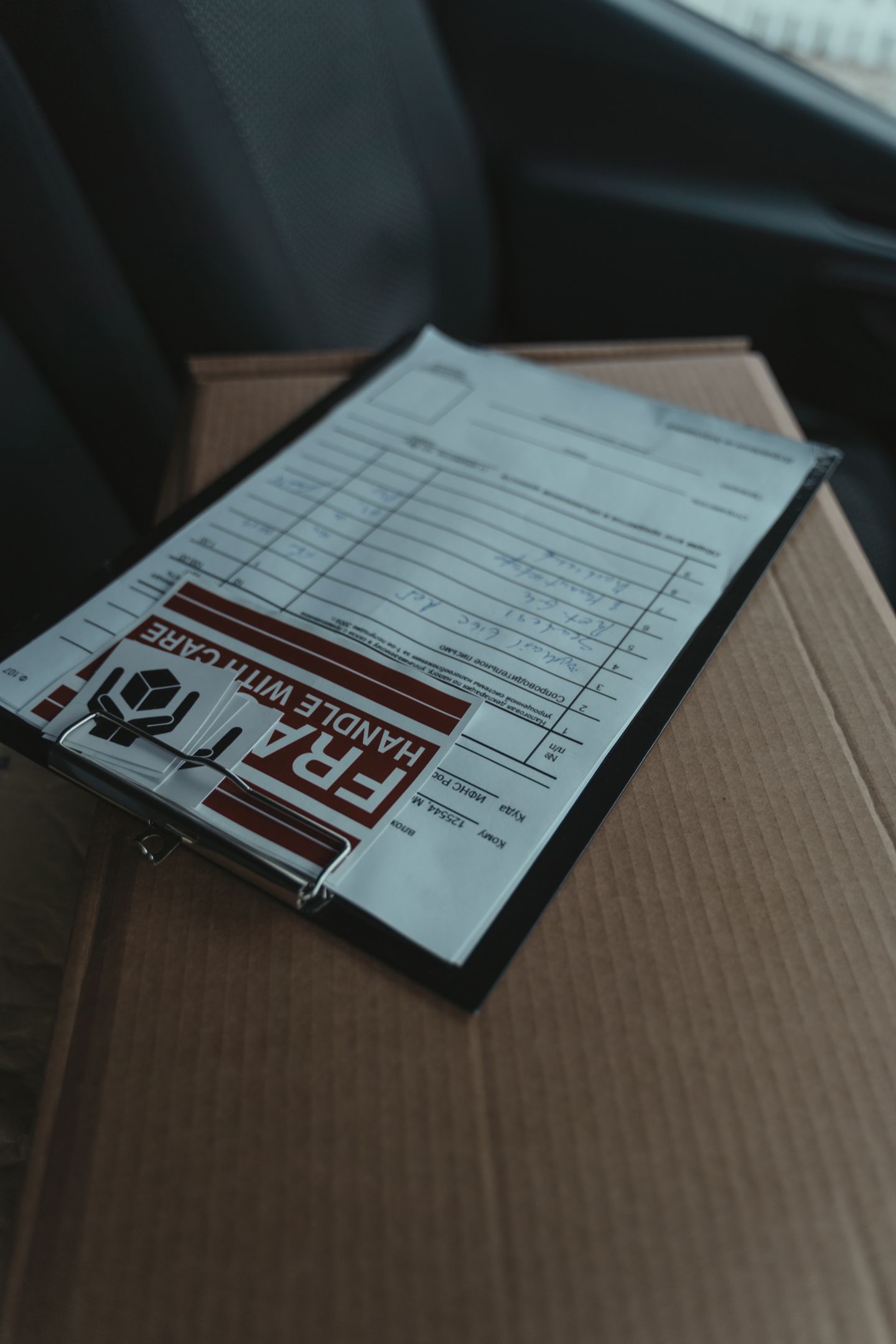
The packing list, transport doc and certificate
The packing list must match the invoice on weights, piece counts and package numbers - a one-kilo discrepancy between the two is a classic hold. The transport document (bill of lading or air waybill) carries the master and house references that the broker uses to locate the shipment; a transposed digit means the broker is looking for a load that is not there. The certificate of origin matters only when the destination duty treatment depends on it, but when it does, its absence is a guaranteed stop. Treat the three as satellites of the invoice; if any drifts from it, the system flags the whole set.
The three errors that cause most holds
First, a consignee or notify party that does not match the importer of record. Second, an HS code that differs between invoice and declaration. Third, a declared value that does not reconcile with the invoice or payment terms. All three are avoidable with a review step before documents are issued. Our customs brokerage service reviews the set before it reaches the border for exactly this reason - a clean file is cheaper than a cleared file that needed a broker's firefight. These three errors are not exotic; they are the dailybread of every clearance desk, and they are all prevention, not cure.
Consistency beats cleverness
The most useful habit is consistency: the same HS code, the same product description wording and the same value logic on every shipment. Border systems reward predictability, and so do brokers. A short checklist applied to every shipment is worth more than expertise applied occasionally - it turns accuracy from a personal habit into a process that survives staff changes. When a new hire can clear a shipment by following the checklist, the company stops depending on the one person who "knows customs". Cleverness wins once; consistency wins every time, including the Friday a senior person is on leave.
What the broker needs from you
The documents that must be right include the commercial invoice, packing list, bill of lading or air waybill and certificate of origin. The most common causes of a hold are wrong consignee details, a mismatched HS code, and a declared value that does not reconcile with the invoice. Give the broker the real figures early and let them confirm the classification rationale is on file. The broker is your interpreter at the border; they cannot fix a file they receive after the hold, only apologise for it. Send the set before the vessel sails, not after it docks - the broker's best work is done on a file that arrives with time to spare.
Country-specific notes (general)
Different destinations key on different fields, and a file that sails through one border can stall at another on the same wording. Some markets demand a precise origin statement with the right formatting; some key hard on the Incoterm; some scrutinise the declared value against import databases. You do not need to know every rule - that is the broker's job - but you do need the destination set correctly on every file so the broker screens against the right requirements. A file with the wrong destination code is screened against the wrong rulebook and will surprise you at the worst moment. State the destination explicitly and let the broker apply the local logic.
Post-clearance audit and data quality
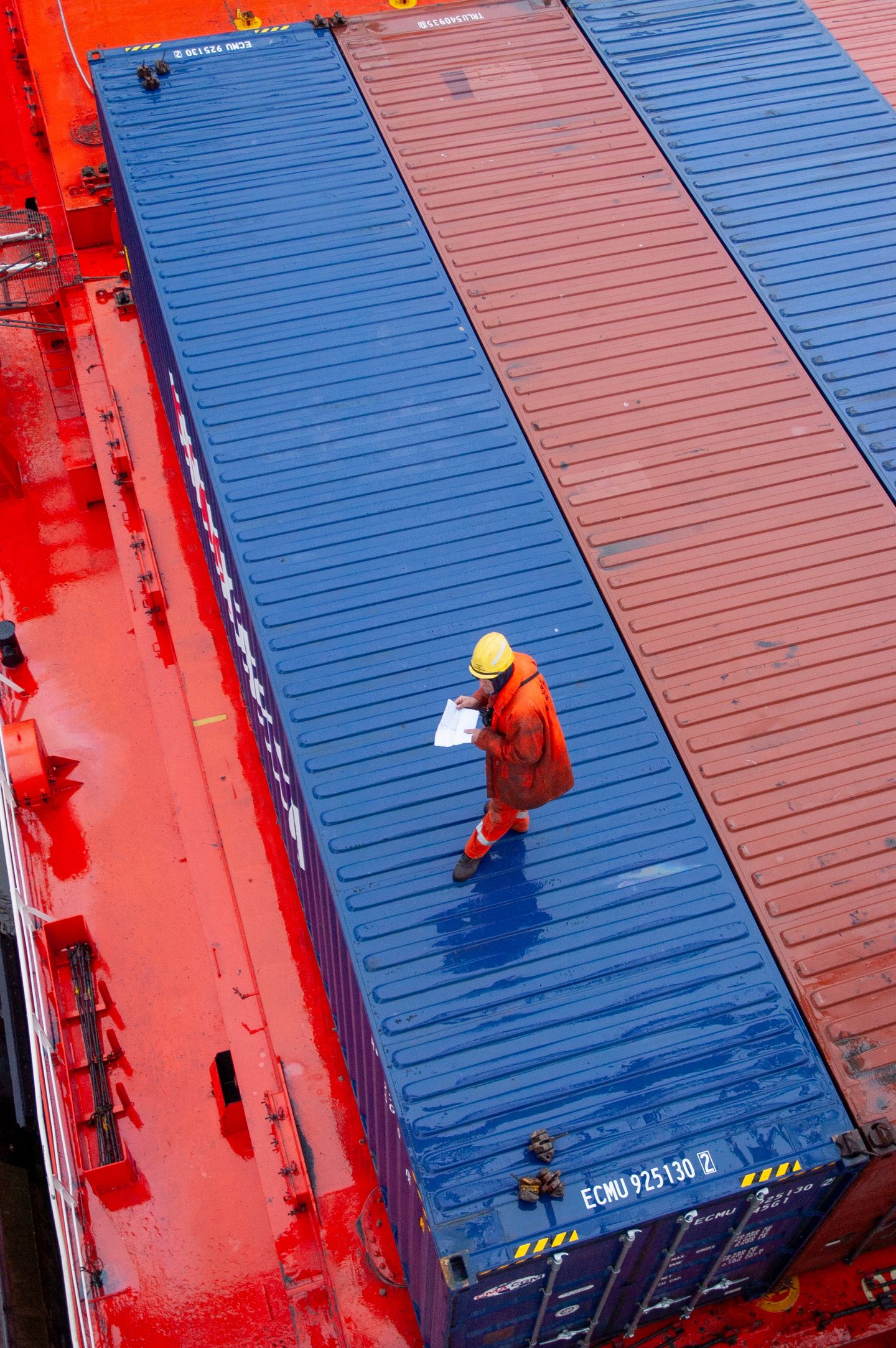
Clearance is not the end - many authorities audit a sample of cleared entries afterwards, and a file that cleared on a Friday can be questioned on a Tuesday. The defence is the same discipline: keep the four documents consistent and retained, and keep the classification rationale written down, not in someone's memory. Good data quality at the border also feeds good data in your own systems - the HS code that clears customs is the same code that should drive your landed-cost and tariff-engineering analysis. Treating customs data as a throwaway at the border wastes a dataset you already paid to create. The audit that finds a clean, consistent file is a non-event; the one that finds a vague description and a missing cert is a bill.
Build the checklist into the process
A practical checklist has maybe six lines: consignee matches importer of record; HS code identical on invoice and declaration; value reconciles with payment terms; weights match packing list and transport doc; certificate of origin present where required; description wording identical across documents. Run it on every shipment, including the boring domestic-to-nearby ones, so it is muscle memory by the time a high-value load goes out. The cost of the checklist is a few minutes; the cost of a multi-day hold is a lost customer. Make it a gate in the shipping workflow, not a suggestion at the end.
| Document | Most common error | Fix |
|---|---|---|
| Commercial invoice | Wrong consignee / value | Match importer of record; reconcile to payment |
| Packing list | Weights differ from invoice | One source of truth for weights |
| Transport doc | Bad HAWB/MBL reference | Confirm reference before issue |
| Certificate of origin | Missing when duty needs it | Flag in the checklist by destination |
FAQ
Which document causes the most delays? Usually the commercial invoice - wrong party, wrong value, or a value that disagrees with payment.
Do I need a certificate of origin every time? Only when the destination duty treatment requires it; but having it ready avoids a hold when it does.
Can the broker fix errors after shipping? Sometimes, at a cost and a delay - far cheaper to review before issue.
Why does consistency matter more than expertise? Because expertise applied once fails when the expert is on leave; a checklist applies every time.
Is clearance the end of the obligation? No - post-clearance audits happen, so retain a consistent file and the classification rationale in writing.
Incoterms and who files the entry
The Incoterm on the invoice decides who is responsible for the goods - and who files the customs entry - at the border. Under delivered terms the seller often arranges the clearance; under ex-works or FOB the buyer does. A mismatch between the Incoterm and who actually files is a classic cause of a stuck shipment, because neither party thinks it is their job until the clock runs. State the Incoterm clearly on the invoice and confirm with the broker which party is the importer of record, because the importer of record is the one legally on the hook for the declaration. A five-minute alignment on Incoterms prevents the "that's your border, not mine" argument at the worst possible moment.
The HS code is the whole ballgame
The HS (harmonized system) code decides the duty rate, the licensing needs and often whether the goods are even admissible. A wrong code can mean an overpayment you never reclaim, an underpayment that becomes a penalty, or a hold while the authority decides what the goods actually are. The code must describe the goods as they physically are - material, function, form - not as you wish they were classified. Keep a written rationale for every code you use, tied to the product, so a future auditor or a new broker sees the thinking. The code is not a formality; it is the single field that drives almost every other customs outcome, and it deserves the same care as the invoice total.
Documents beyond the four core
Some shipments need more: licences for controlled goods, a phytosanitary certificate for plant material, a marks document for certain equipment, or a battery declaration for lithium cells. These are not optional when the destination requires them - their absence is an automatic stop, often with the goods impounded. Build a destination-by-destination addendum to the core checklist so the extra documents are flagged automatically by where the goods are going, not by someone remembering. The four core documents clear most shipments; the fifth or sixth document clears the one that would otherwise sit in a bonded pen accruing fees while you scramble for a certificate nobody flagged.
Digital data quality at the border
A clean digital filing clears faster than a scanned PDF with typos, because border systems parse the structured fields, they do not read your handwriting. Invest in correct, machine-readable data entry on the front end - consignee, HS code, value, weight - rather than relying on a broker to retype a fuzzy document. The cleaner the data you send, the fewer the queries, and queries are what turn a same-day clearance into a multi-day one. This is the same discipline as the consistency rule above: treat the data as the product, because at the border, it is.
Training the team to use the checklist
A checklist only works if people actually run it, every time, including on the boring shipments. Train new staff on the six lines, audit a sample of files weekly, and make a missed line a thing that gets caught internally before the broker ever sees it. The teams that clear first time are not the ones with the cleverest people; they are the ones with a process boring enough to survive a Friday and a staff change. A checklist nobody follows is worse than none, because it creates false confidence - so the training and the audit are what make the document real.
The payoff of doing it once, properly
The reward for the discipline is not glamorous: shipments that clear while competitors wait. A consistent, clean, complete file moves through the border with no query, no storage fee, no apology, and the goods arrive when the customer expected them. That reliability is a competitive asset in markets where a day of delay loses the sale, and it is invisible until the day a rival's shipment sits in a bonded pen and yours does not. The cost of the discipline is a few minutes per shipment and a checklist your team actually uses - trivial next to a multi-day hold, a penalty, or an impounded shipment. Customs is the rare part of logistics where the boring, repeatable process beats the clever, heroic one every single time, and the teams that internalise that stop treating clearance as a recurring crisis and start treating it as just another step they have already handled.
Standards and references. Incoterms; the Harmonized System; ASME Y14.5


评论
发表评论